
About WINeFare
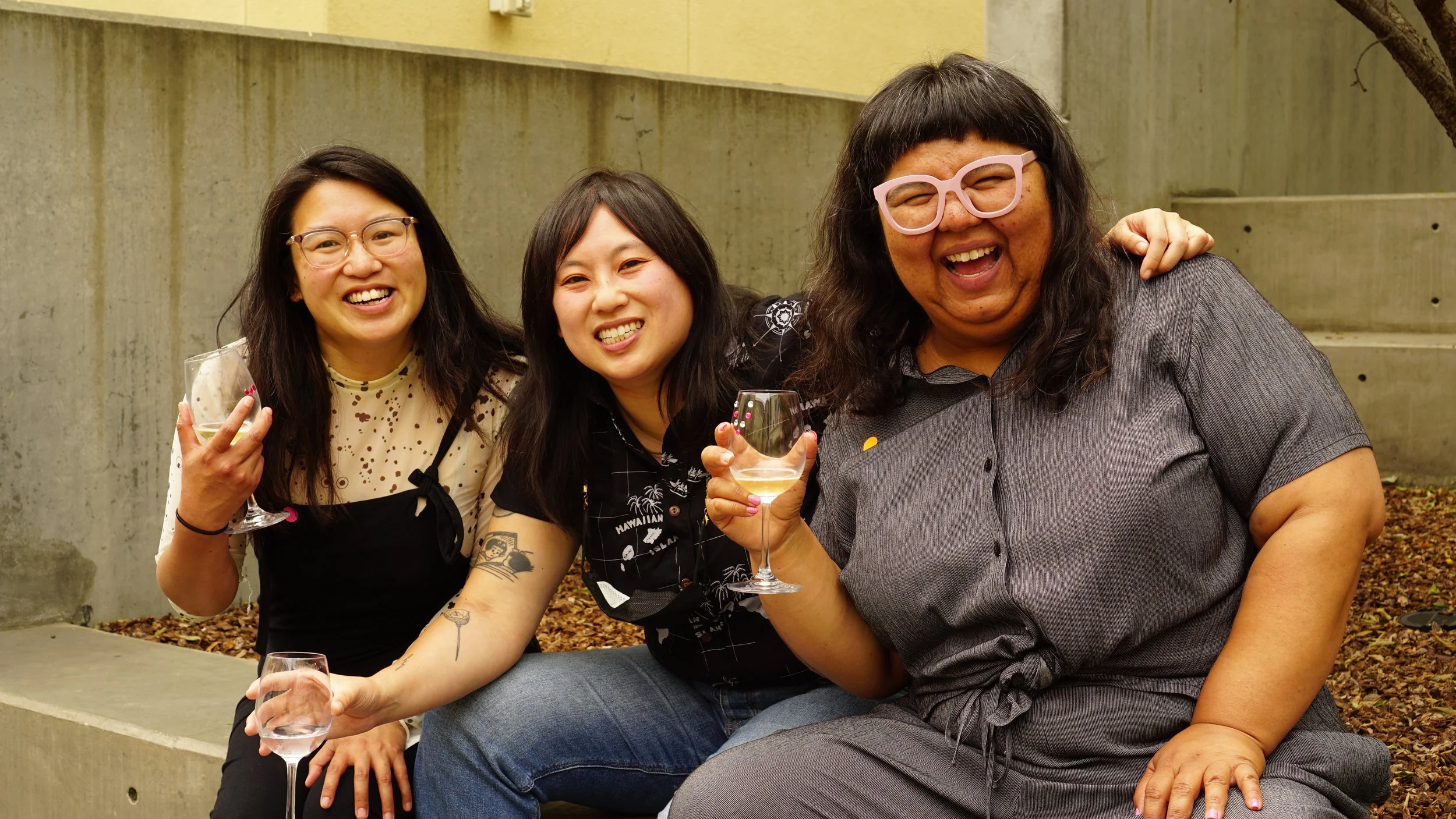
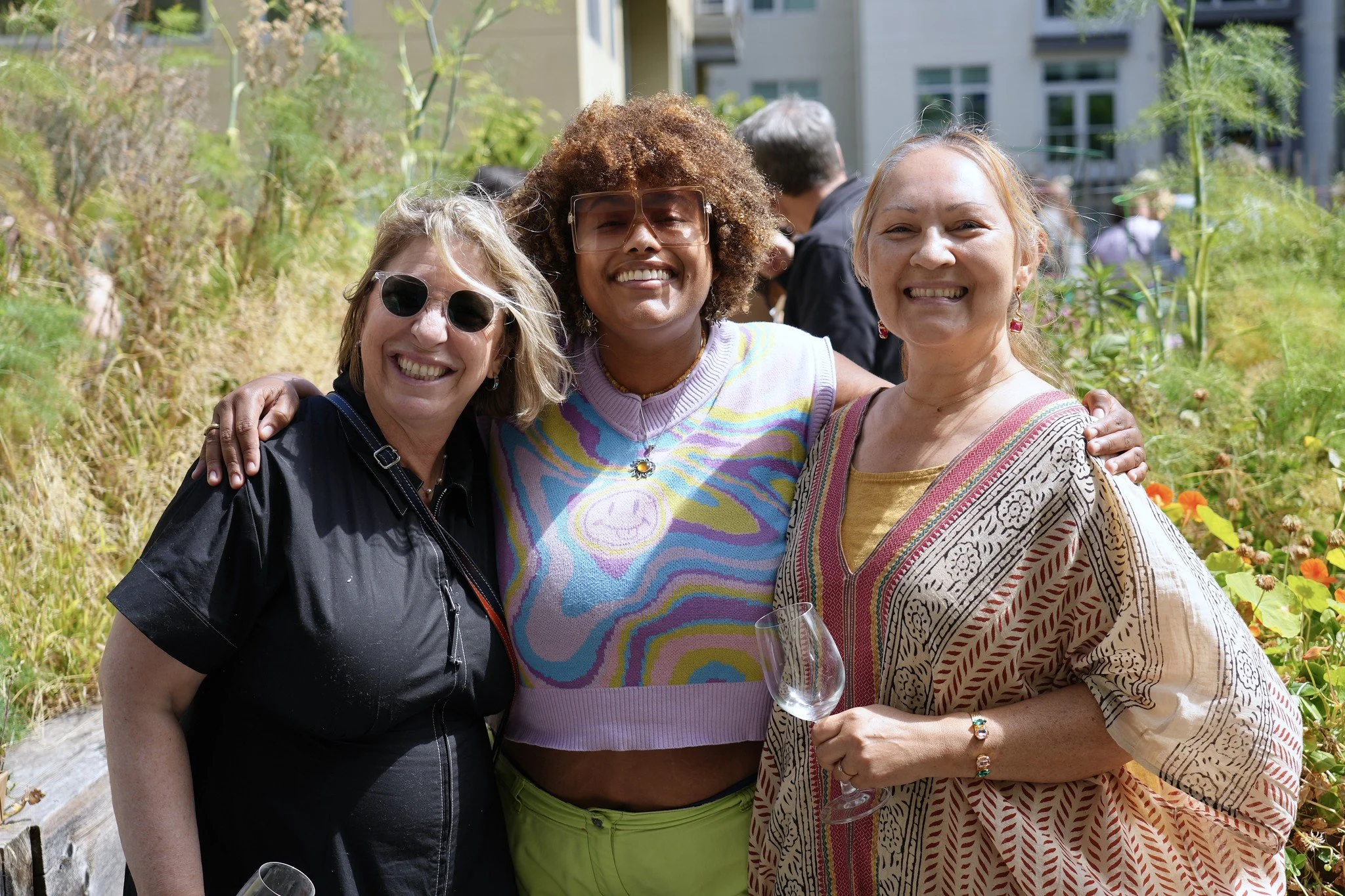
Wine Fare was the first natural wine fair featuring women’s achievements in natural wine. Since 2018, it has created a safe and welcoming environment where women and other genders can build connections, foster opportunities, and taste hundreds of delicious wines made and imported by women.
Though the WINeFare tasting focuses on spotlighting women in natural wine, The Vinguard takes an intersectional approach, and we promote the work of other historically marginalized communities through the event’s programming.
Follow us on Instagram for updates and events:
Why WINeFare?
WINeFare was born out of a need to amplify women in the natural wine movement whose work was often sidelined and dismissed. Women have always played an integral role in natural winemaking and the movement, but their contributions have been minimized. We felt that while it was and still is imperative to call out the discrimination and harassment, it was just as important to create a joyful, safe environment spotlighting women in natural wine.
Fourteen women-run natural wine companies poured, and about 100 people came to the first WINeFare. In 2025, 42 women poured and over 300 people attended. Some WINeFare winemakers first came as consumers, and we’ve been told that seeing other women make wine inspired them to try their hand.
We are not concerned with who has the title of "winemaker"; we know that while many men hold that official position, female partners, siblings, parents, friends, and colleagues make winemaking decisions. Now, six years since our first Wine Fare, many more women winemakers, business owners, and workers contribute to every facet of natural wine. We salute all women who make natural wine and will continue to honor their work at Wine Fare.
WINeFare Forums
Over the last few years, we've had belonging and equity panels discussing environmental justice, vineyard worker protections, and creating space for Black, Brown, Indigenous, Asian American, Pacific Islander, LGBTQ+, and people with disabilities in the wine industry. We’ve followed these conversations up with action, such as The Guardian Vital wine label drawing attention to vineyard workers' protection and safety.
WINeFare Pouring Requirements
The company must be at least partially women-owned, and she must play an active role in its management.
All farming must be, at a minimum, practicing organic.
Fruit must be hand-harvested.
All wines must undergo native fermentations.
Wines cannot have any subtractions such as sterile filtration, pasteurization, or reverse osmosis. Bentonite fining and mesh filtering are permitted but must be indicated.
Except for sulfur, wines cannot have any additions. We do not have a sulfur limit as we trust our winemakers to only add as much as is needed.
Fair labor practices should be ensured, including providing a living wage, not penalizing workers for refusing to work in unsafe conditions, and ensuring that workers are medically treated without charge if they are injured on the job. This may require extra effort on the part of winemakers and importers, but one thing that makes WINeFare different is our emphasis on workers’ rights and safety.
Efforts to empower, include, and amplify women, voices of color, LGBTQ+, differently-abled, neurally different, and multiple age groups in your work.